

Advice & Insights
Cracks in Walls: When to Worry and What a Structural Survey Reveals
Cracks in walls are one of the most common reasons homeowners contact a surveyor. Many people find them unsettling, especially in older properties where it [...]
Cracks in walls are one of the most common reasons homeowners contact a surveyor. Many people find them unsettling, especially in older properties where it is hard to judge what is normal. Some cracking is expected. Other types need closer attention.
Hairline Cracks: Usually Cosmetic
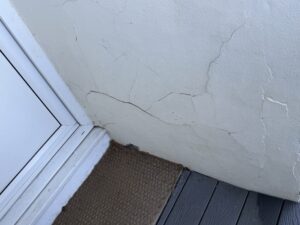
Fine hairline cracks in internal plaster, usually less than 1mm wide, are often cosmetic. They develop as buildings move with changes in temperature and humidity. They also appear as materials age and dry out. These cracks often form around door frames, ceilings, and wall junctions. They rarely indicate a structural problem.
Cracks That May Indicate Structural Movement
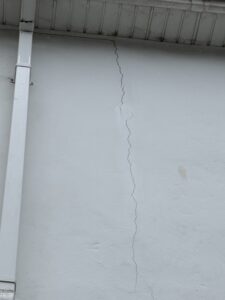
More serious cracks look different. Stepped cracking in brickwork, diagonal cracks from window corners, or cracks that reopen after repair can indicate structural movement. Widening or extending cracks raise concern. So do related issues such as sticking doors or uneven floors. In these cases, further investigation is sensible.
Why a Specific Defect Survey Is Often the Right Approach
In most cases, cracking is best assessed with a specific defect survey rather than a full building survey. This type of survey focuses on the cause of the cracking. It considers the building’s construction, past alterations, and how loads transfer through the structure. This targeted approach helps the surveyor distinguish between historic settlement and active movement.
A Note for Homeowners in Bristol
For homeowners in Bristol, the key message is reassurance with caution. Many wall cracks are harmless. Early assessment can prevent unnecessary repairs or missed structural issues. One recent client filled the same crack three times. The survey later showed it related to long-standing roof spread, not decoration.
Cracks in Walls FAQs
Is cracking normal in older houses?
Yes. Older properties often move slightly over time. Fine cracking usually reflects normal ageing rather than a defect.
When should I be concerned about a crack?
Be concerned if a crack widens, reappears after repair, or links to other changes. Examples include sticking doors or sloping floors. These cracks should be assessed.
Will a survey tell me if repairs are urgent?
Yes. A specific defect survey identifies whether movement is historic or ongoing. It also confirms whether immediate action is required.
Have another question?
Share this article

Written by : Allan Williams-Jones
Allan Williams-Jones joined in 2018 bringing a wealth of experience gained both internationally and domestically to deliver client focused project work. Allan specialises in development delivery from initial inspection, navigating planning pitfalls, contract administration to final completion. He has worked on numerous schemes on a wide variety of residential and commercial buildings. Allan has played a lead role in providing repair and maintenance advice and overseeing major refurbishment projects. Allan maintains a diverse workload and takes great interest in building diagnostics and performing general condition and building surveys.
Qualifications: MA, MBA, MSc, MRICS
A quick overview of the topics covered in this article.
Latest articles

September 22, 2026

September 22, 2026

